
1665年、フランスの宝石商ジャン=バティスト・タヴェルニエは、インド・アグラのヤムナー川のほとりに立っていた。ダイヤモンドを追いかけて地球を六周した男だ。ムガル帝国の宮廷に出入りするほどの顔の広さもあった。その彼が、現地で途方もない話を聞く。シャー・ジャハーン皇帝は、亡き妻のために白い大理石のタージ・マハルを建てただけでは満足せず、川の向こう側にもうひとつ——今度は黒い大理石で——自分自身の墓を建てようとしていた、と。
0%
過去の謎·1/3·1′
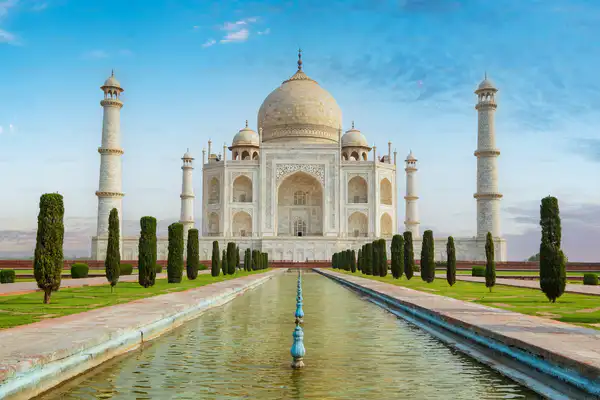
The place
Taj Mahal
黒いタージ・マハル
フランスの宝石商の噂、イギリスの考古学者の誤り、そして美しすぎて誰も疑わなかった建築伝説
1665 (Tavernier's visit); 1871 (Carlleyle's excavation); 1994–2006 (archaeological debunking)Taj Mahal
物語の教訓
“もっとも長く語り継がれる伝説は、真実だから残るのではない。美しすぎて手放せないから残るのだ。そして時に、暗い水面に揺れる傑作の影は、人の手が築けるどんな建造物よりも深く心に残る。”
登場人物
J
Jean-Baptiste Tavernier (French gem merchant)S
Shah Jahan (Emperor)A
A.C.L. Carlleyle (British archaeologist)A
Aurangzeb (son and usurper)E
Ebba Koch (art historian, University of Vienna)出典
Jean-Baptiste Tavernier, Les Six Voyages (1676, trans. V. Ball 1889); A.C.L. Carlleyle, Archaeological Survey of India Reports (1871); Elizabeth B. Moynihan et al., The Moonlight Garden: New Discoveries at the Taj Mahal, Smithsonian/University of Washington Press (2000); Ebba Koch, The Complete Taj Mahal and the Riverfront Gardens of Agra (2006); R. Nath, The Taj Mahal and Its Incarnation (1985); Wayne E. Begley, 'The Myth of the Taj Mahal and a New Theory of its Symbolic Meaning,' The Art Bulletin Vol. 61 No. 1 (1979)